
The Commons - Tilburg
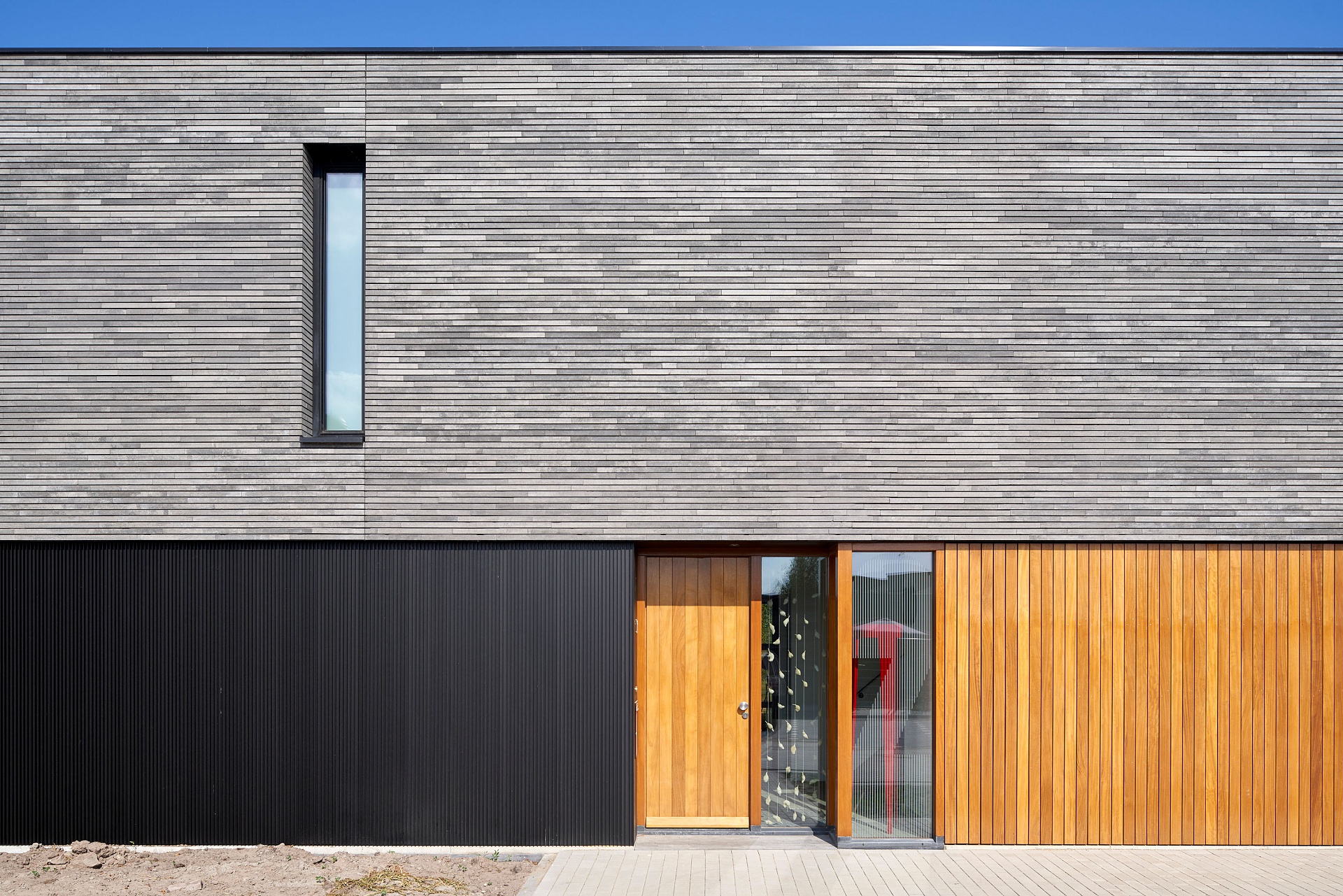
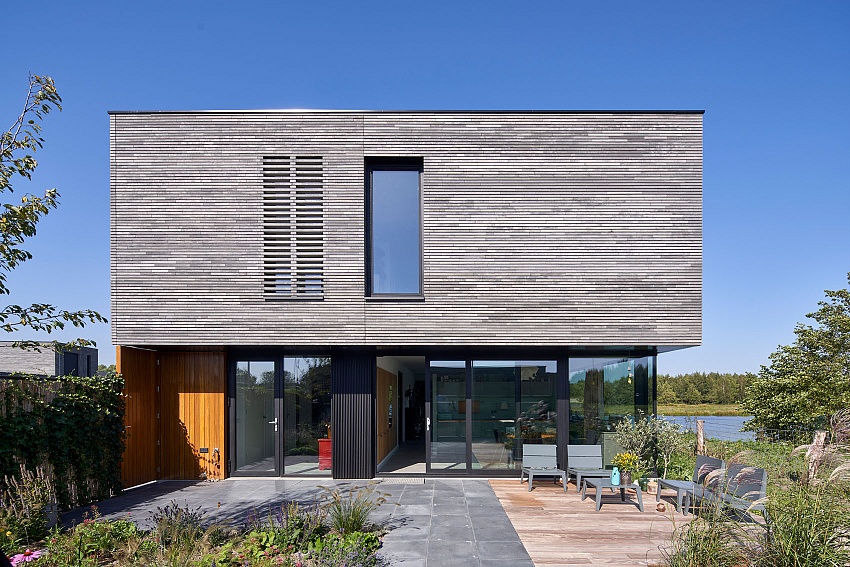
Energy-neutral building and living has a new face: The Commons in Tilburg. Behind the horizontally oriented façade of The Commons are various types of homes: villas, bungalows and single-family homes. Architects Joris Verhoeven and Frank van Winden joined forces in format A. The result: 17 energy-neutral homes that have been designed according to individual wishes and exude uniformity to the outside world. In addition, they gave a contemporary twist to stone architecture; classic and a little bit quirky.

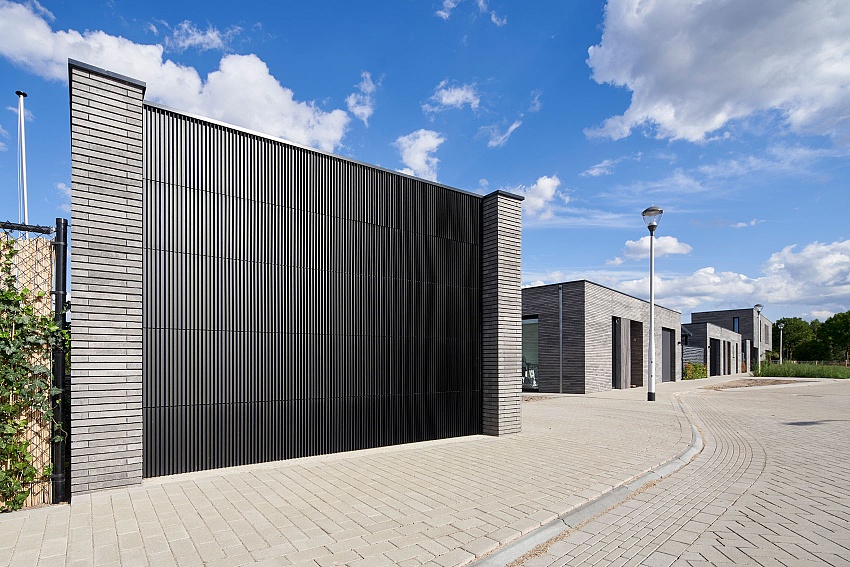
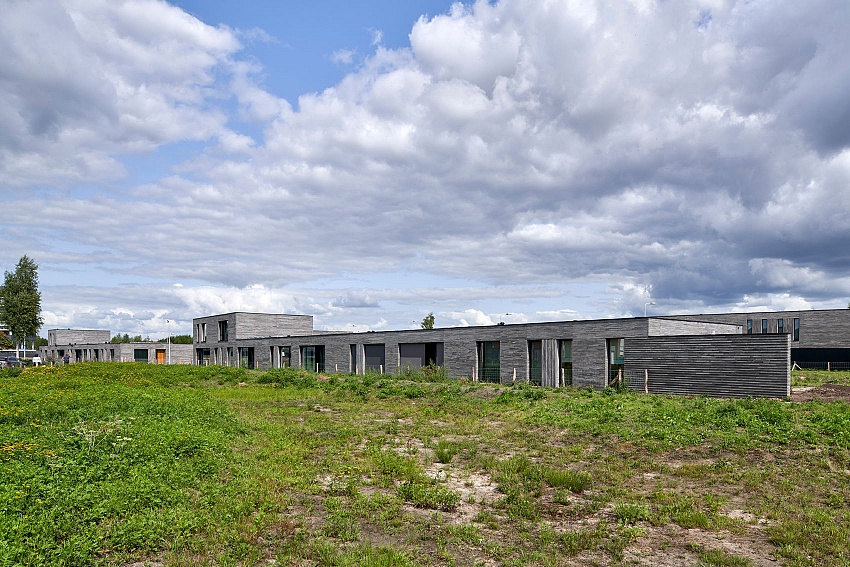
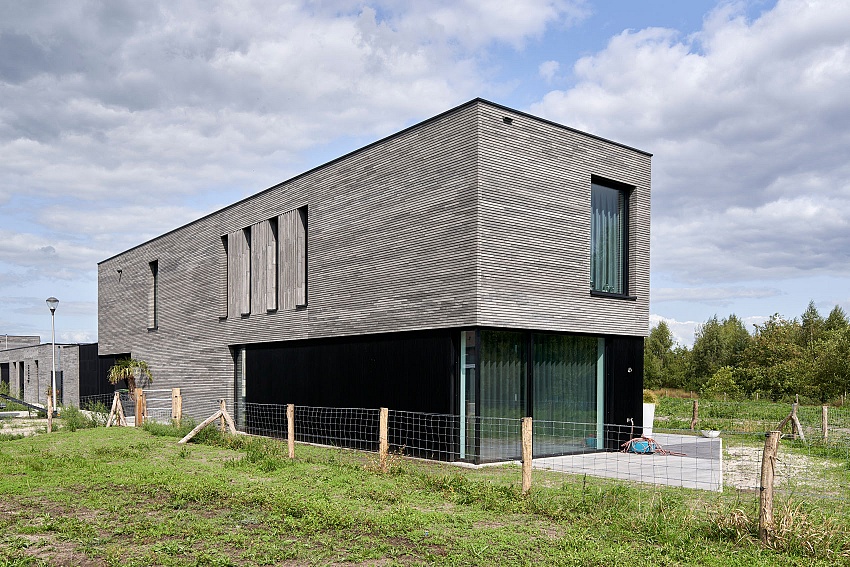
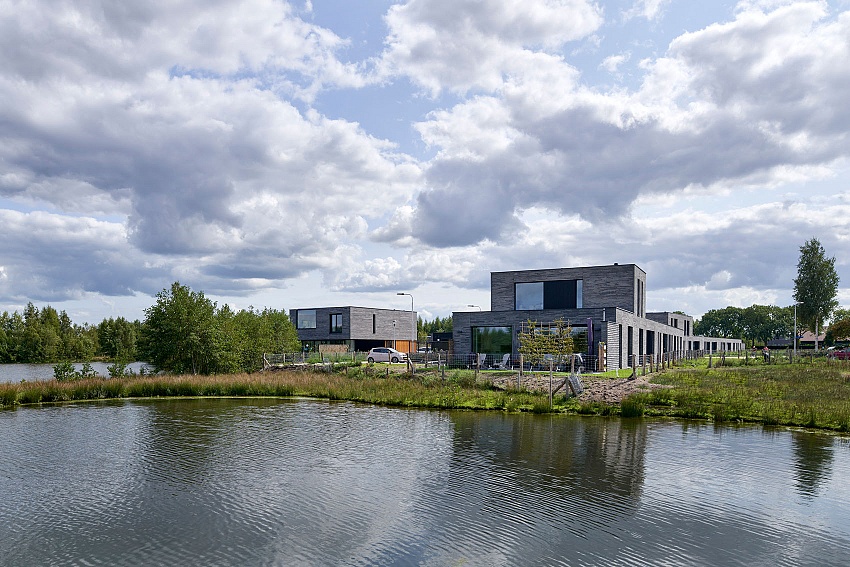
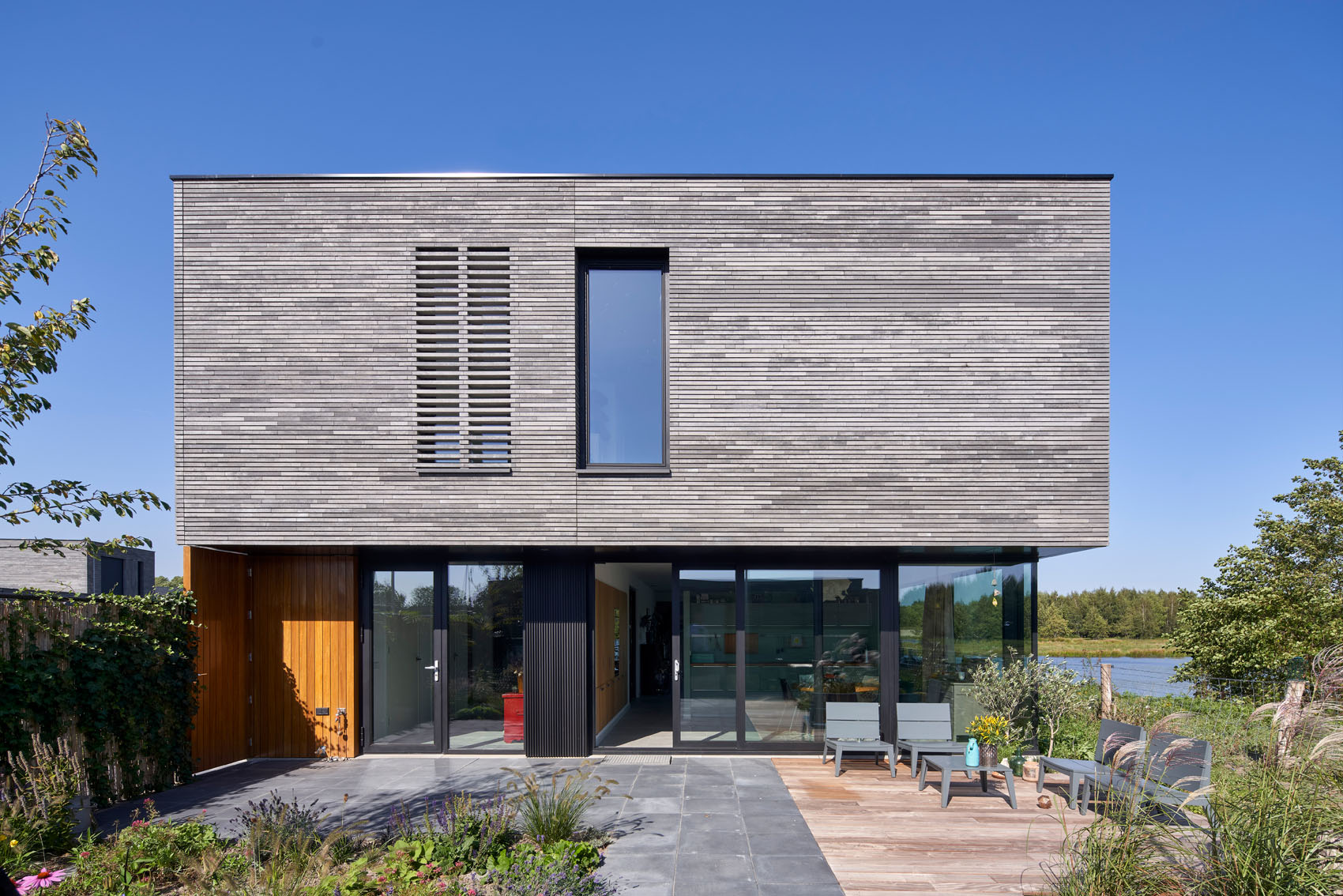
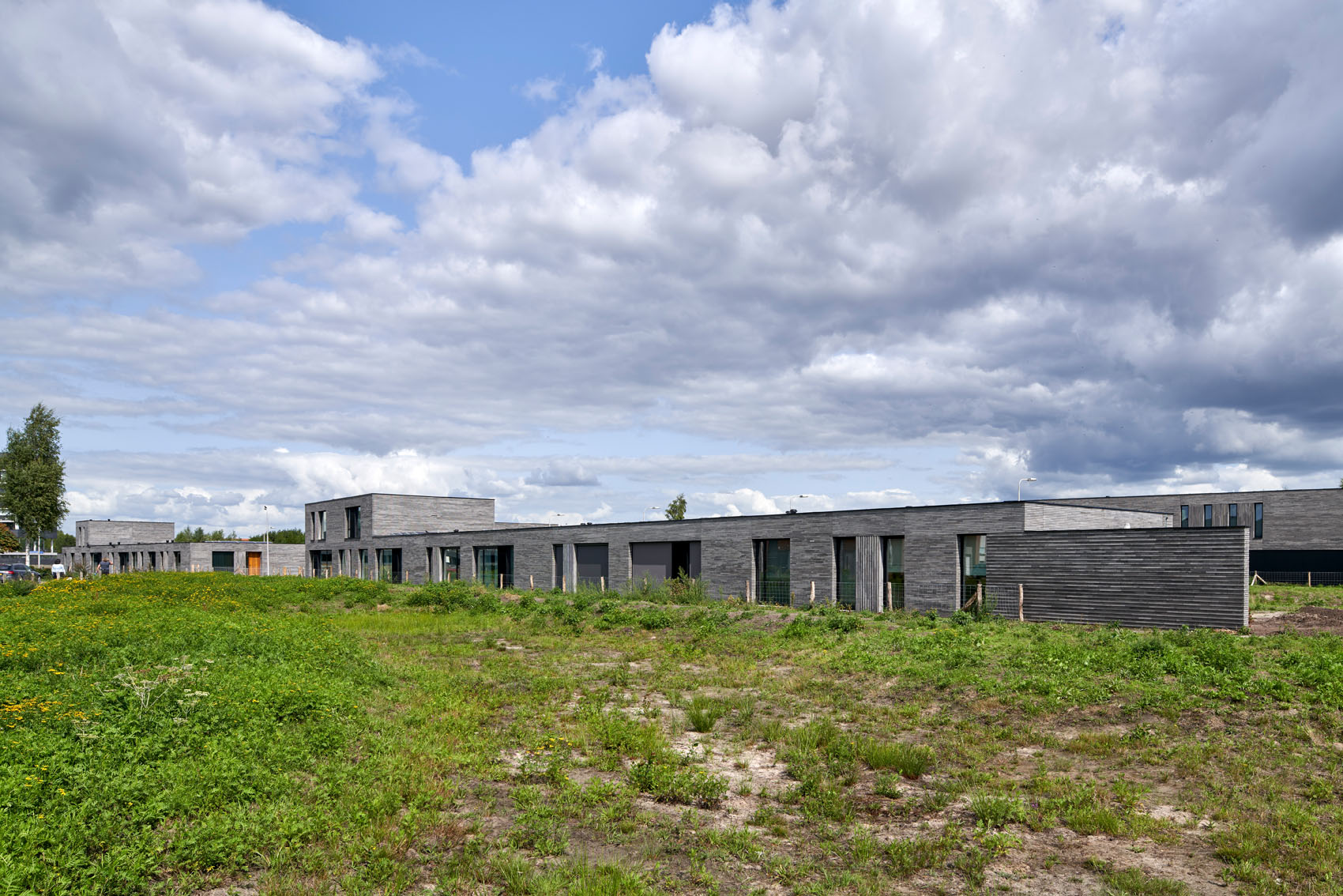
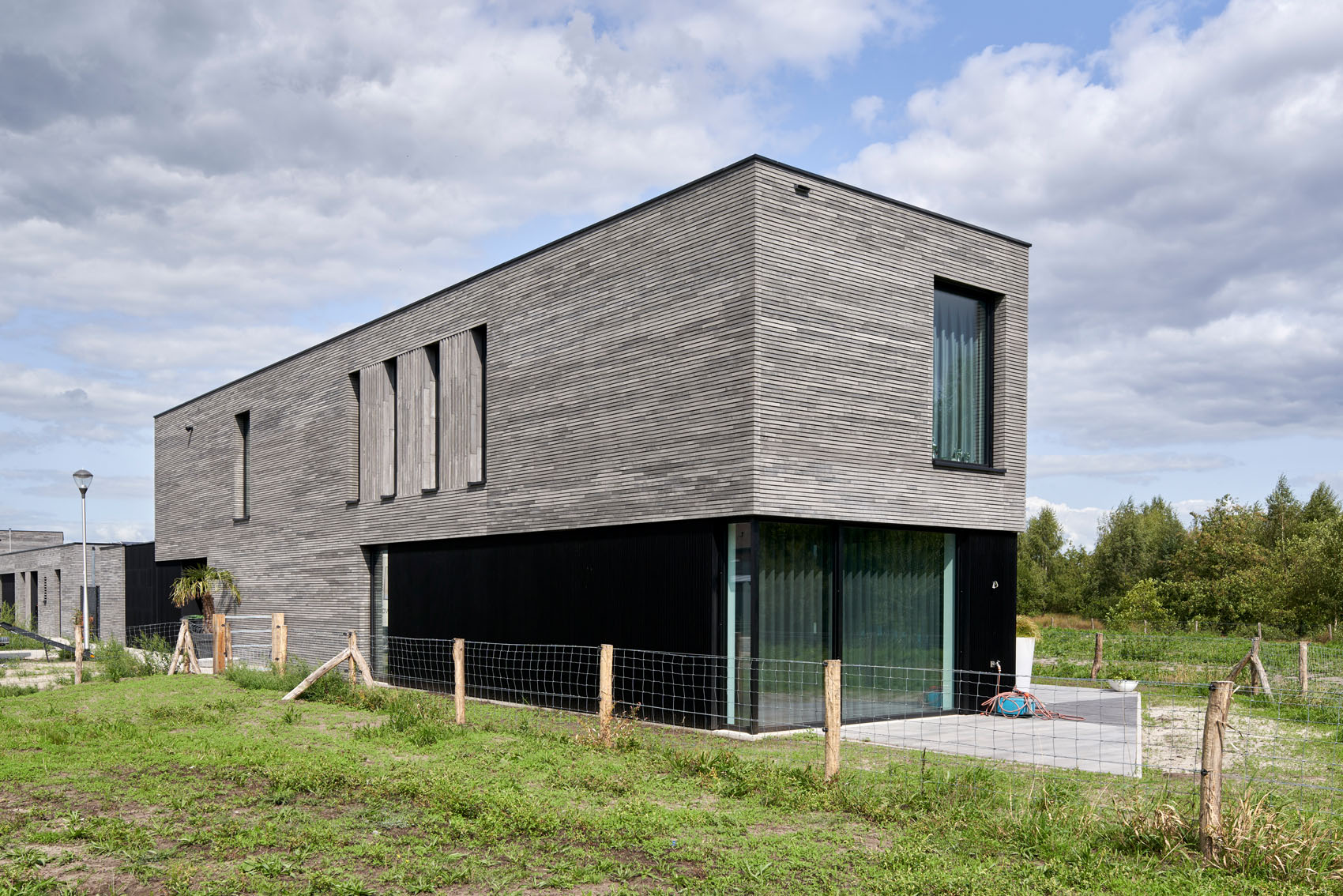
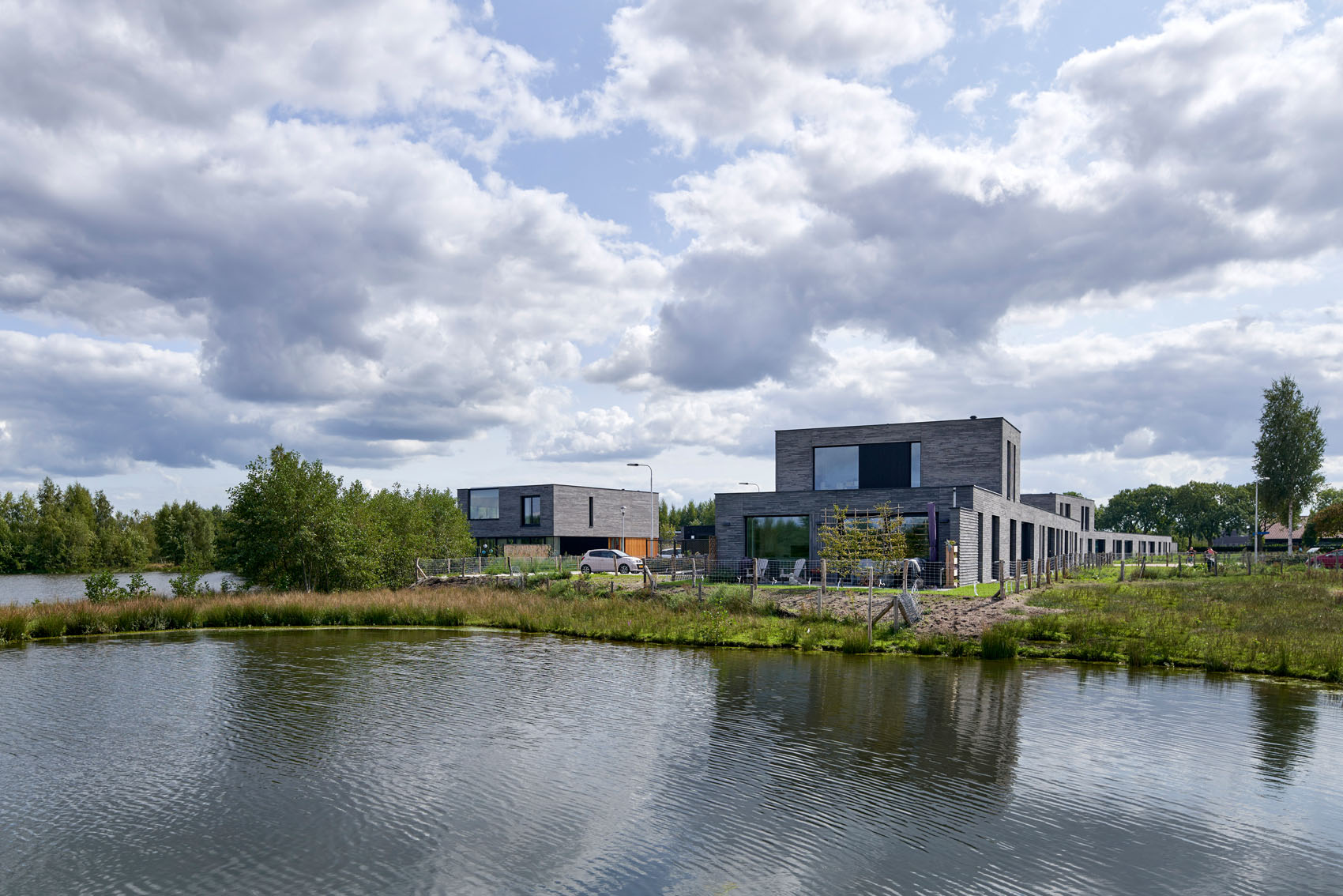
‘The idea is often that Dutch people prefer traditional architecture, but aren't we overlooking individual wishes?’ Van Winden wonders aloud. ‘During the design process here, it became clear that the modern design fully met the expectations of the future residents.’ He hadn't expected that beforehand. "When Rob Keijzer from developer Honk approached us, it was immediately clear that there would be a planning team for The Commons. That meant we started with a blank canvas and first sat down with potential residents before incorporating their wishes into the design," he continues. Certainly in serial construction, it is not common practice to involve so many people from the outset, but judging by the enthusiasm of these architects, it is definitely worth repeating. ‘We went into the project with certain expectations, but what struck us and the developer was that a modern, sleek design language appealed to their wishes,’ adds Verhoeven. These wishes enabled them to create homes with a modestly chic look and feel, within the framework set by the client. The fact that there was no visual plan did not mean that developer Honk did not set any requirements. ‘The homes had to be energy neutral, and we also had to connect with the surrounding green oasis, where Scottish Highland cattle graze, stoats reside and the Donge meanders.’
Feasible format
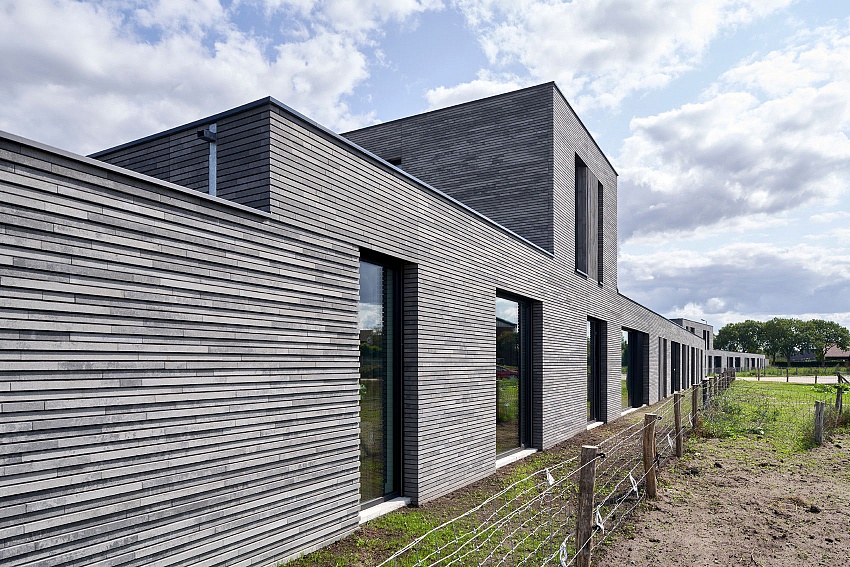
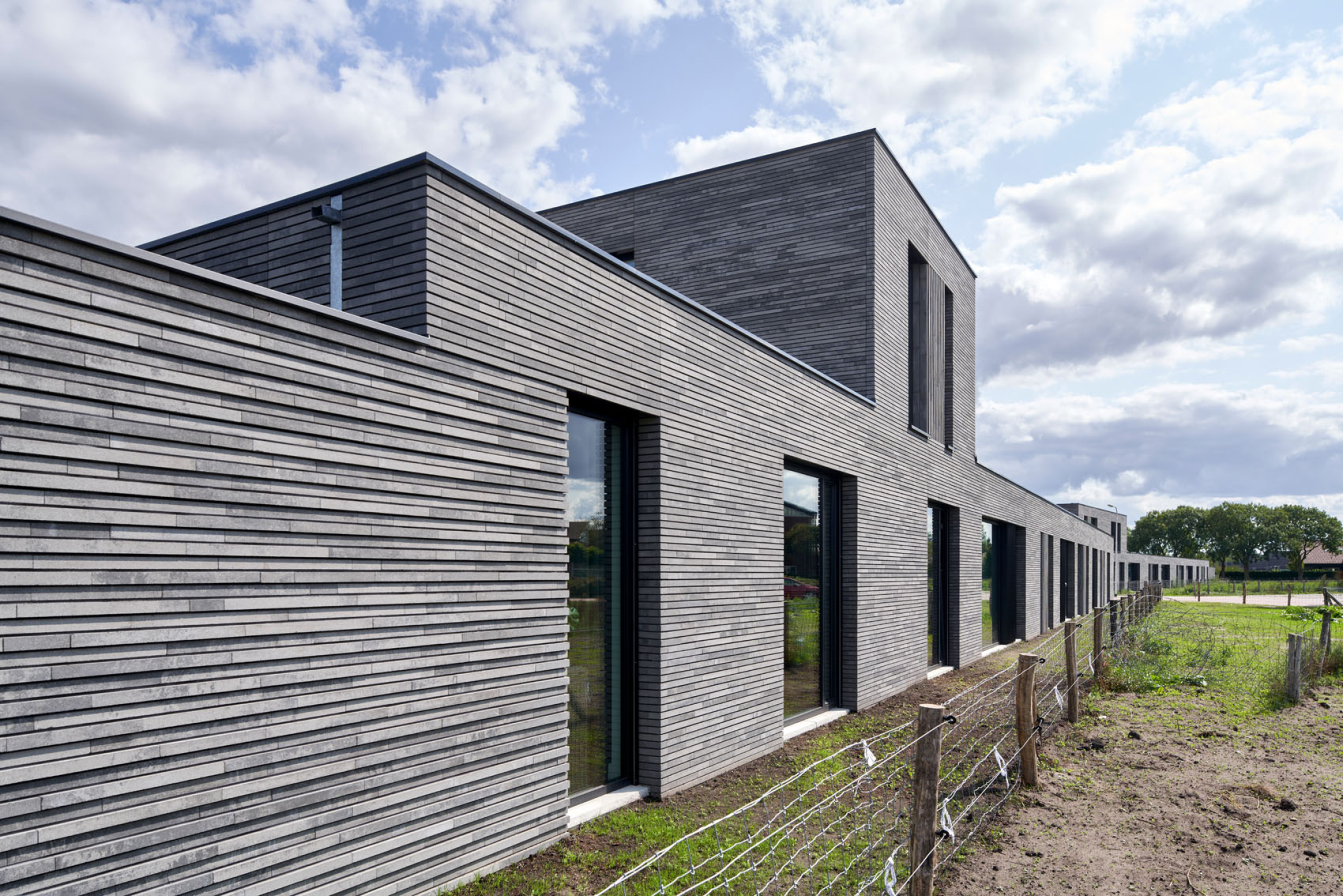
The biggest challenge for the architects was: how do we combine as many wishes as possible into one feasible format? Van Winden: ‘Behind every façade is a different home with floor areas ranging from 80 to 280 square metres.’ The choice of brick, the colour scheme, the window layouts and the use of 60-centimetre-long concrete blocks in the façade created both unity and an interesting interplay of lines. Moreover, both are hardly interrupted by details. The details blend effortlessly into the design. Such as the raised cornice behind which the solar panels are hidden and the rainwater drainage with overflow capacity in the pipe. ‘Apart from the windows, we didn't want any holes in the façade, as this affects the airtightness and interrupts the façade.’
Facade appearance
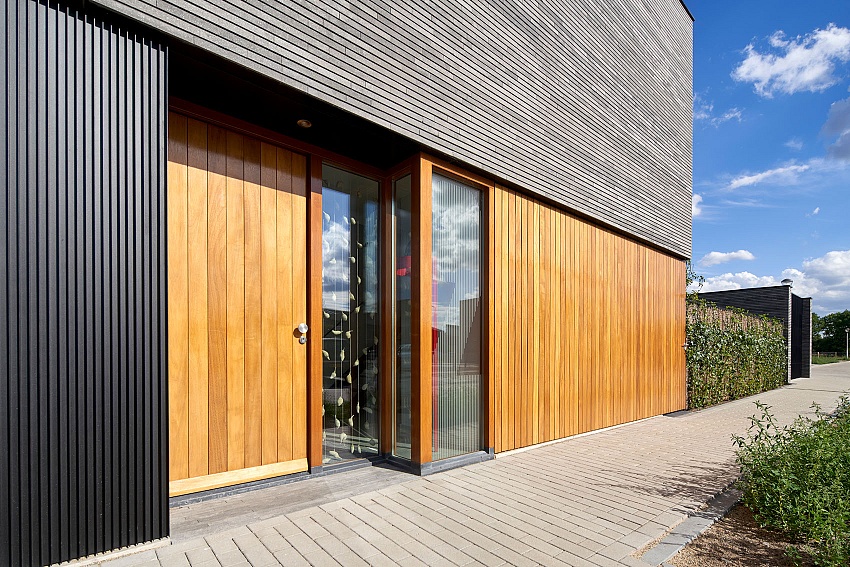
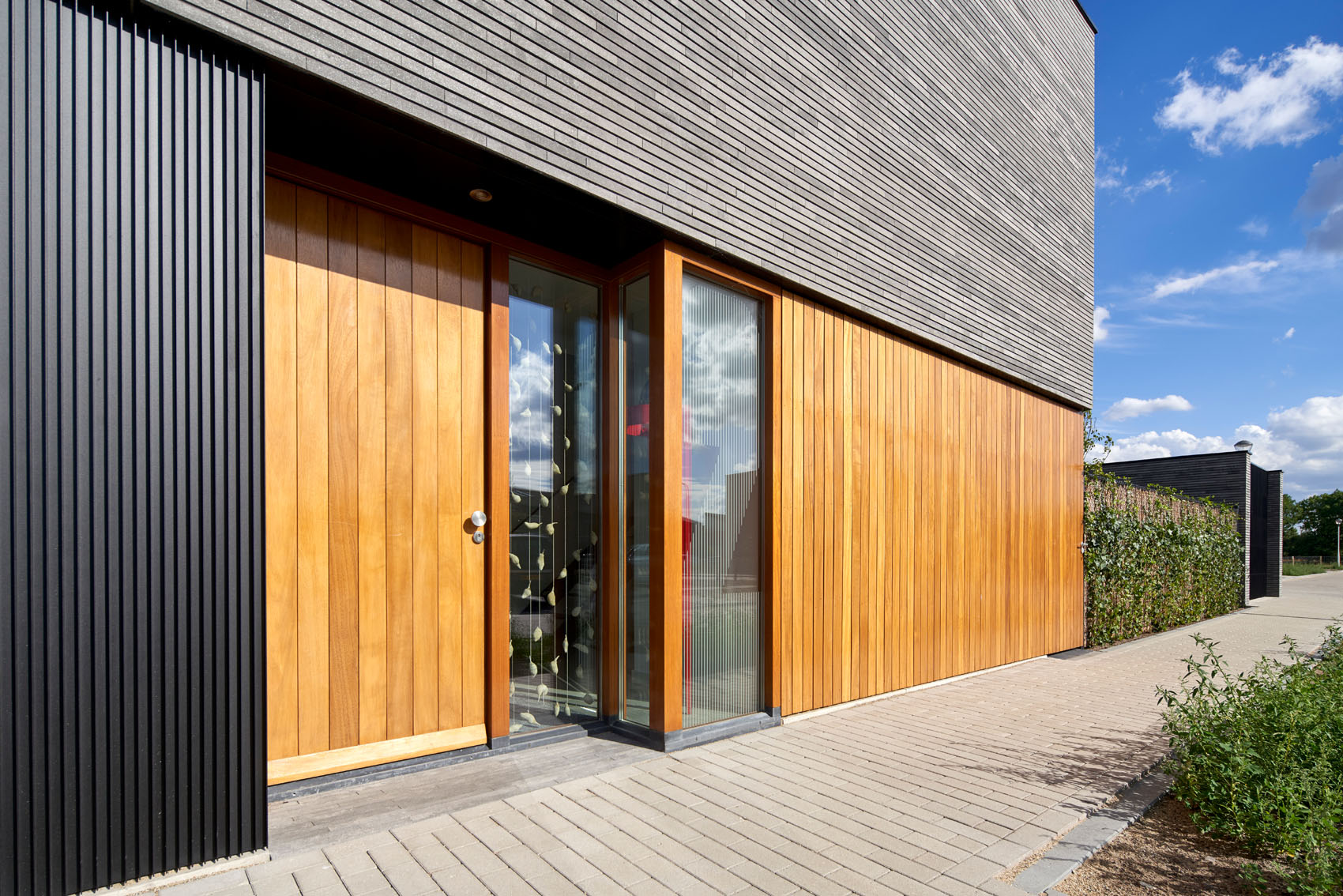
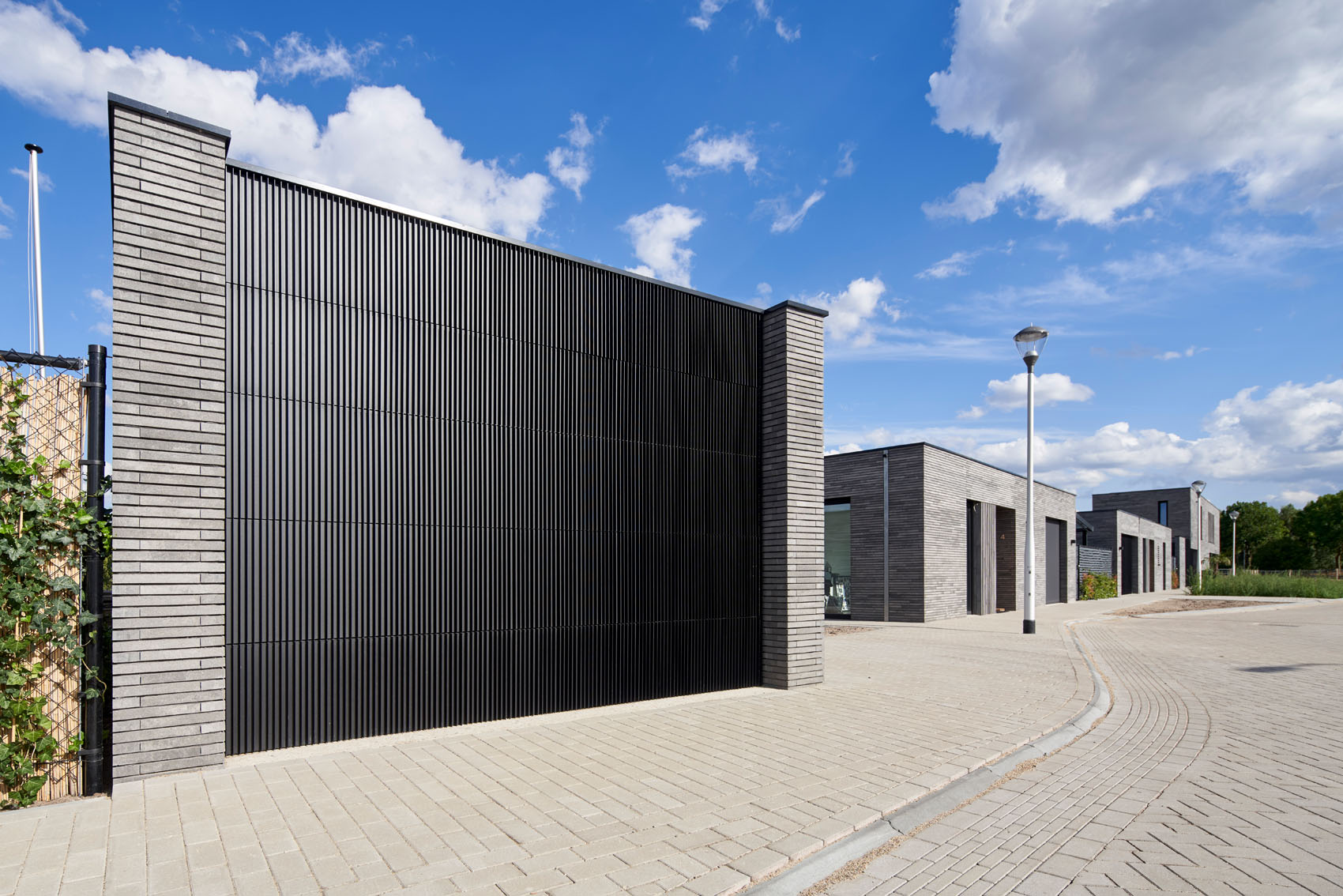
However, it is mainly the long grey facing bricks that catch the eye. A passer-by might only notice the long horizontal lines, but the facade has a much greater depth. The horizontal lines are interrupted by the deep-set windows, sometimes by the long GeoStylistix facing bricks being laid vertically, and sometimes by aluminium cladding. ‘We wanted to create a calm façade, which is why some of the smaller windows are hidden behind a Brazilian bond,’ says Verhoeven. "The GeoStylistix Shaded Grey concrete brick from MBI De Steenmeesters also blends in with the surrounding nature and gives the homes a modest charm. By using 60-centimetre-long bricks with a recessed joint, the façade has a strong horizontal orientation. And by using the blocks both horizontally and vertically and staggering them, a varied façade appearance is created. Especially in raking light – the front and rear façades are on the east and west sides – this creates different nuances at different times of the day."
Realization
2019
Location
Tilburg
Main contractor
J.A. van Gisbergen, Hoge Mierde
Client
Honk, Tilburg
Other parties
Format A
High-Quality facade solutions
The preparation phase is the most important moment of the whole project. That's where you determine the atmosphere and look of your project. Are you a designer? Schedule a no-obligation consultation with one of our advisers!

Modern villa with swimming pool
View project
GeoSilent Annen
View project
GeoRetron Hapert
View project
Layout villa park Lavendel
View project