
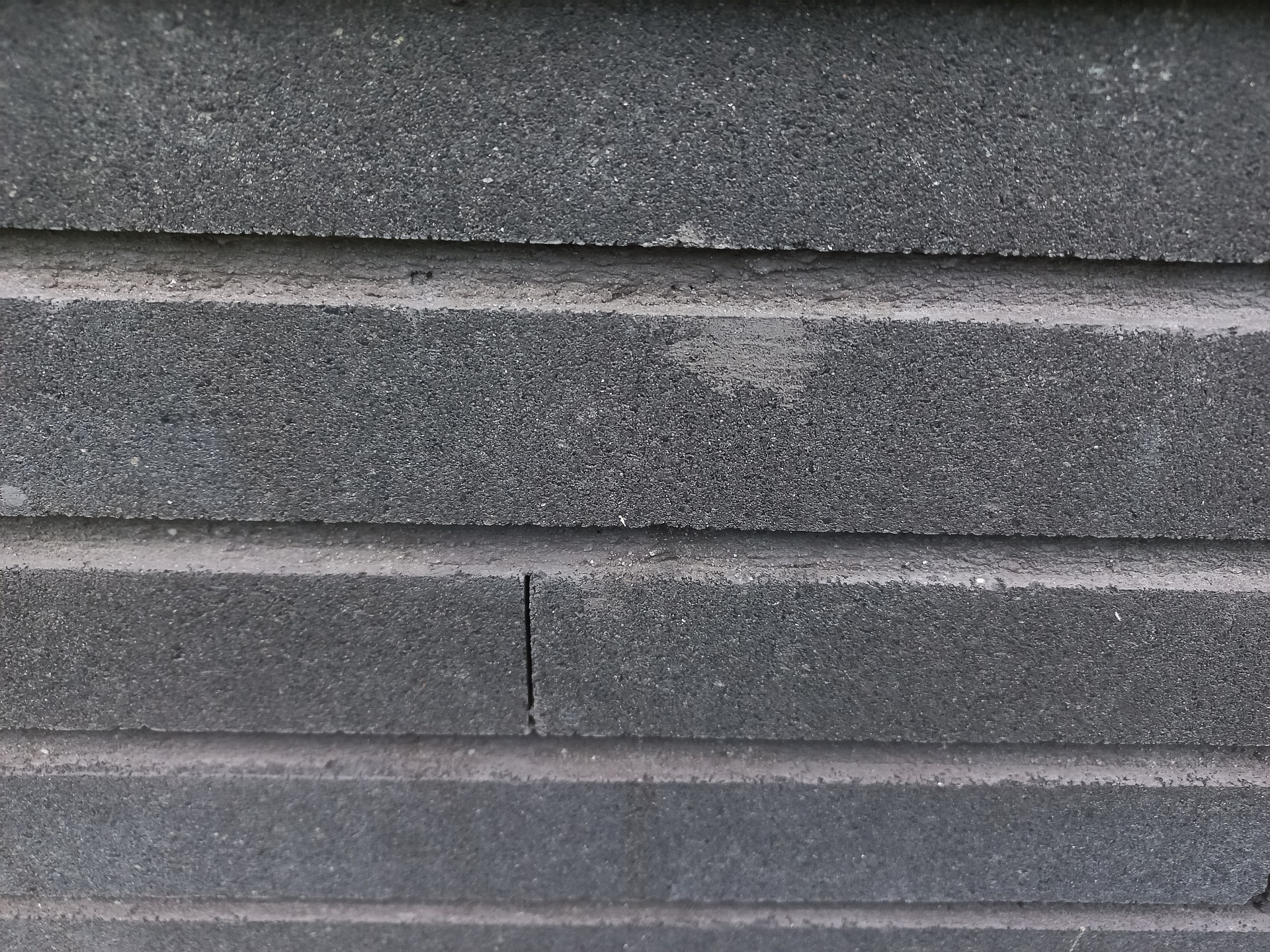
Removing mortar residue from GeoStylistix: what works, and what doesn’t?
In short:
- Can only be removed mechanically. Removing hardened mortar or adhesive residue from GeoStylistix is only possible by mechanical means.
- Air blasting is the recommended method. Careful blasting with fine glass granules can remove the residue without damaging the stone.
- The top coat can withstand this. A thin layer of the stone’s surface is removed in the process, but as the GeoStylistix top coat is approximately one centimetre thick, the appearance of the façade remains virtually unchanged.
- We recommend applying a water-repellent treatment afterwards. The blasting removes part of the water-repellent layer, so reapply it once the work is complete.
- Leave this to a professional contractor. Grain size and air pressure determine the difference between a clean façade and unnecessary material loss.
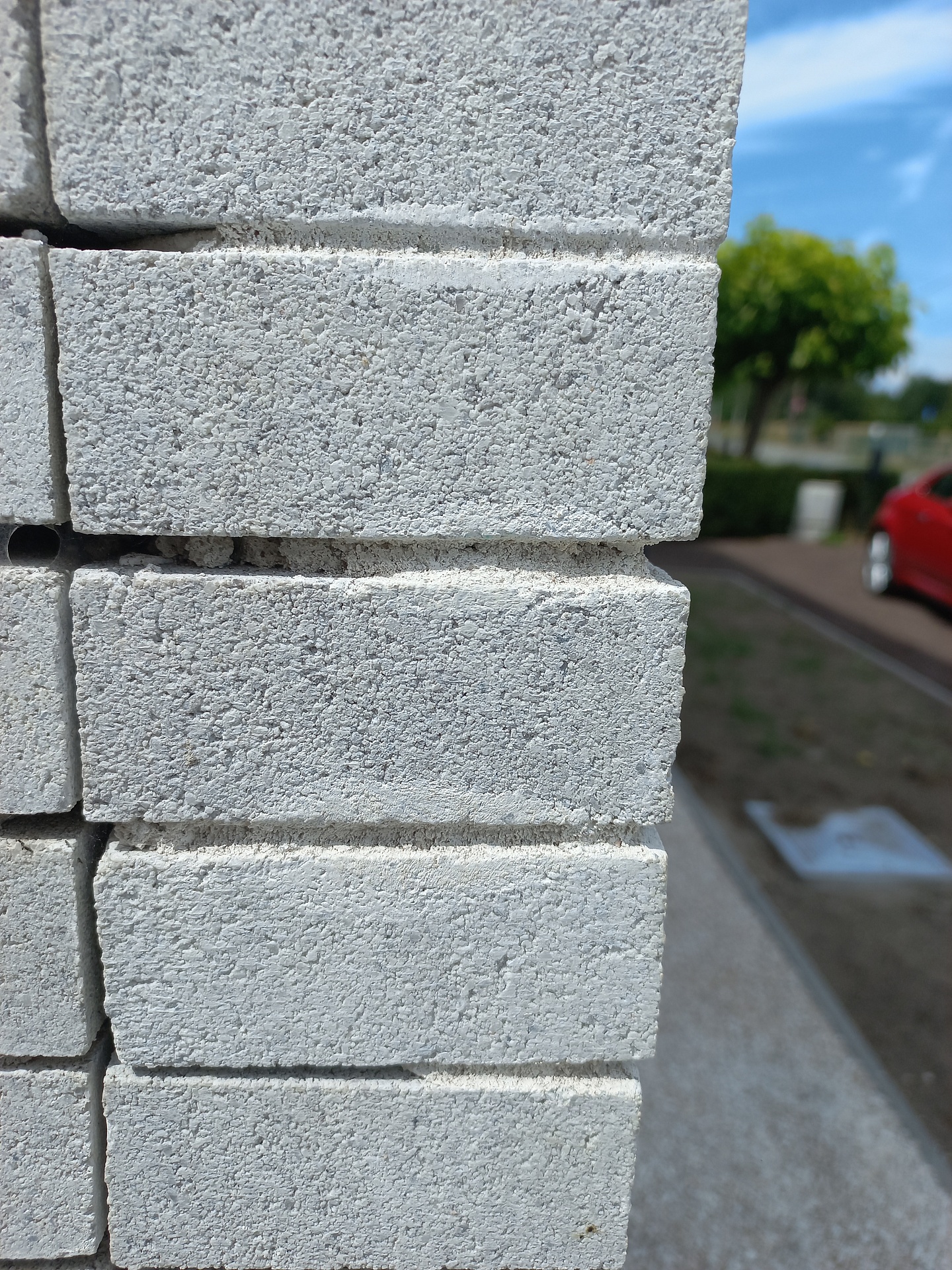
Your home has just been completed, but then you suddenly notice those grey mortar stains left behind after the bricklaying. It’s a shame, as they attract exactly the kind of attention you don’t want. Removing mortar residue from GeoStylistix requires a targeted approach. Once the mortar has set on the visible surface, only a mechanical method will remove it. In this article, we explain how this works and why it won’t damage your façade.
Why is mechanical cleaning the only effective method for removing hardened mortar residues?
Mortar or adhesive stains on the visible surface of GeoStylistix can only be removed mechanically once they have hardened. The mortar has set and is therefore bonded to the colour-fast top layer of the GeoStylistix facing brick. Hardened mortar can only be removed mechanically, regardless of the surface on which it has set. Careful mechanical work is therefore the only reliable method. This ensures that the appearance of the facing bricks is affected as little as possible and that they continue to display the desired look.
How do you mechanically remove mortar residue from GeoStylistix?
The gentlest method is known as air-blasting, also referred to as glass blasting. You blast the surface with fine glass granules, so that the mortar or adhesive residue is loosened without a significant risk of damaging the stone itself. A very thin layer of the stone’s surface is removed in the process, but this is not a problem. The top coat of GeoStylistix is approximately one centimetre thick, so after air blasting there will be more than enough material left to ensure the appearance of the stones remains unaffected.
It is best to have this work carried out by someone with experience in façade cleaning. The correct grain size and air pressure make all the difference between a clean façade and unnecessary loss of material.
Why is water-repellent treatment important after removing mortar residue?
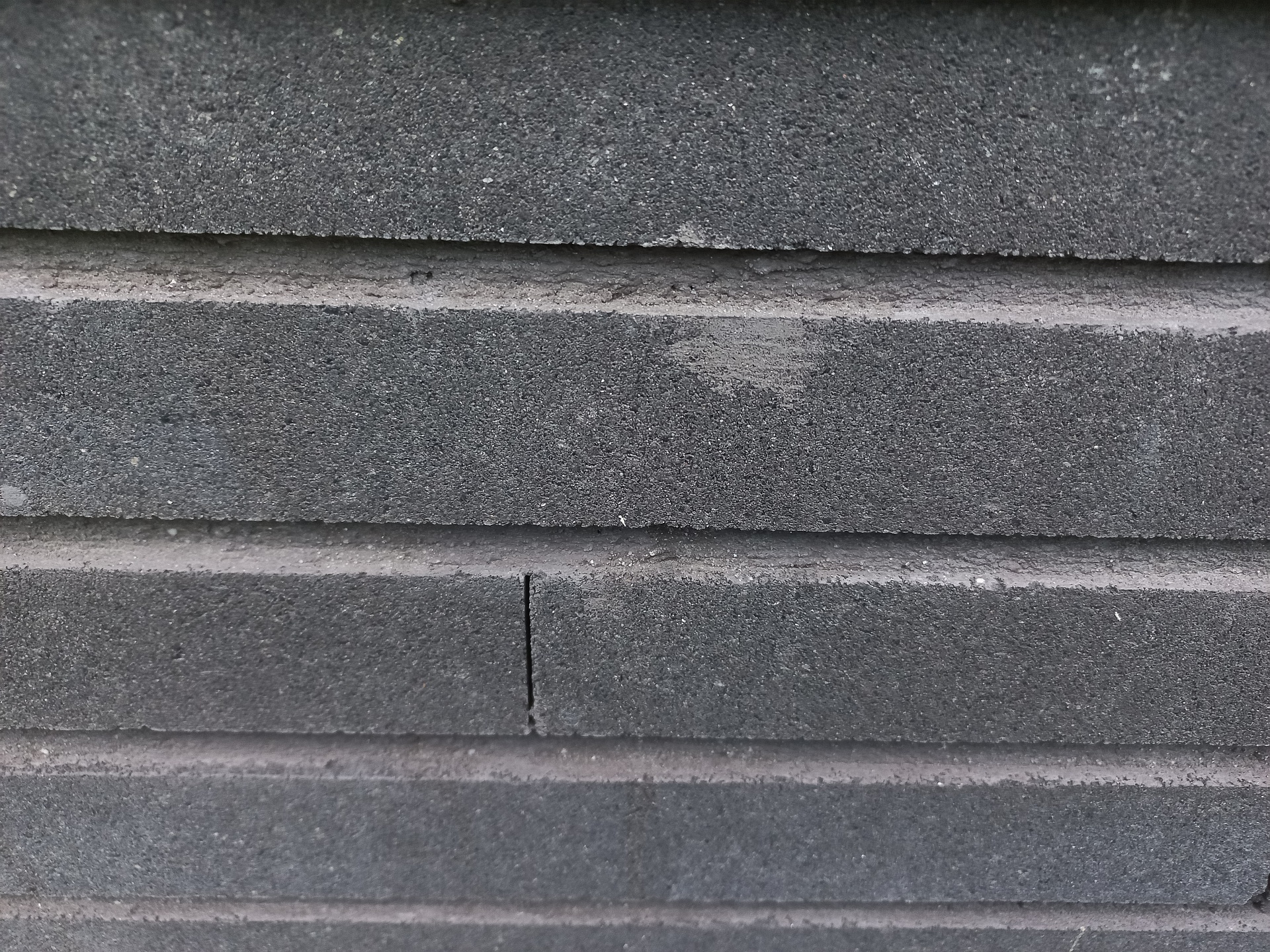
GeoStylistix facing bricks are coated with a protective layer during production. Air-blasting not only removes the mortar but also part of the water-repellent layer on the brick. We therefore recommend reapplying a water-repellent treatment to the façade after this process. Waterproofing involves applying a water-repellent agent that protects the brick from moisture without sealing the open structure of the top layer. This restores the protection that was temporarily removed by the sandblasting process.
If you’re unsure about the best approach, please contact a specialist for tailored advice.
Disclaimer
Are you planning to use cleaning products yourself? If so, first test the product on a less visible area or on a brick that is not part of the façade, following the enclosed instructions. If you are unsure, seek specialist help to clean your façade. MBI accepts no liability for the incorrect use of cleaning products or for any damage resulting therefrom.
Contact us
MBI offers a very wide choice for the design of indoor and outdoor spaces. Leave your details and we will contact you a.s.a.p..
.jpeg?1768921371)